
Social media for a restaurant or bar has one job that actually matters: filling tables. Not likes, not follower counts, but covers, bookings and the quiet confidence that your room will be busy on a Thursday. Everything else is a vanity metric dressed up as success, and chasing it is how good venues pour hours into social and see almost nothing back.
The encouraging part is that few businesses are as naturally suited to social as hospitality. You have appetite, atmosphere and a genuine reason for someone to visit tonight. The challenge is turning that raw material into a steady stream of bookings rather than a pretty feed that leads nowhere. This guide covers what social is really for in hospitality, the content that works, how to turn attention into reservations, how to stay on the right side of the rules, and the numbers actually worth watching.
What social is really for in hospitality
Social media does three things for a restaurant or bar, and it is worth being ruthless about them. It creates appetite, the specific, physical want that makes someone decide they are eating out this week. It helps people discover you locally, among the many places they could choose. And it makes booking easy while the craving is still fresh. Judge every post against those three jobs. A beautiful plate that nobody can act on, with no clear way to book and no reason to choose you, has done only a fraction of the work.
This is the difference between social as decoration and social as a commercial channel. The venues that treat it as decoration post nice pictures and hope. The venues that treat it as a channel know exactly what each post is for, and build a gentle, repeatable path from the moment a craving is created to the moment a table is booked.
The content that actually works
Appetite-led food and drink
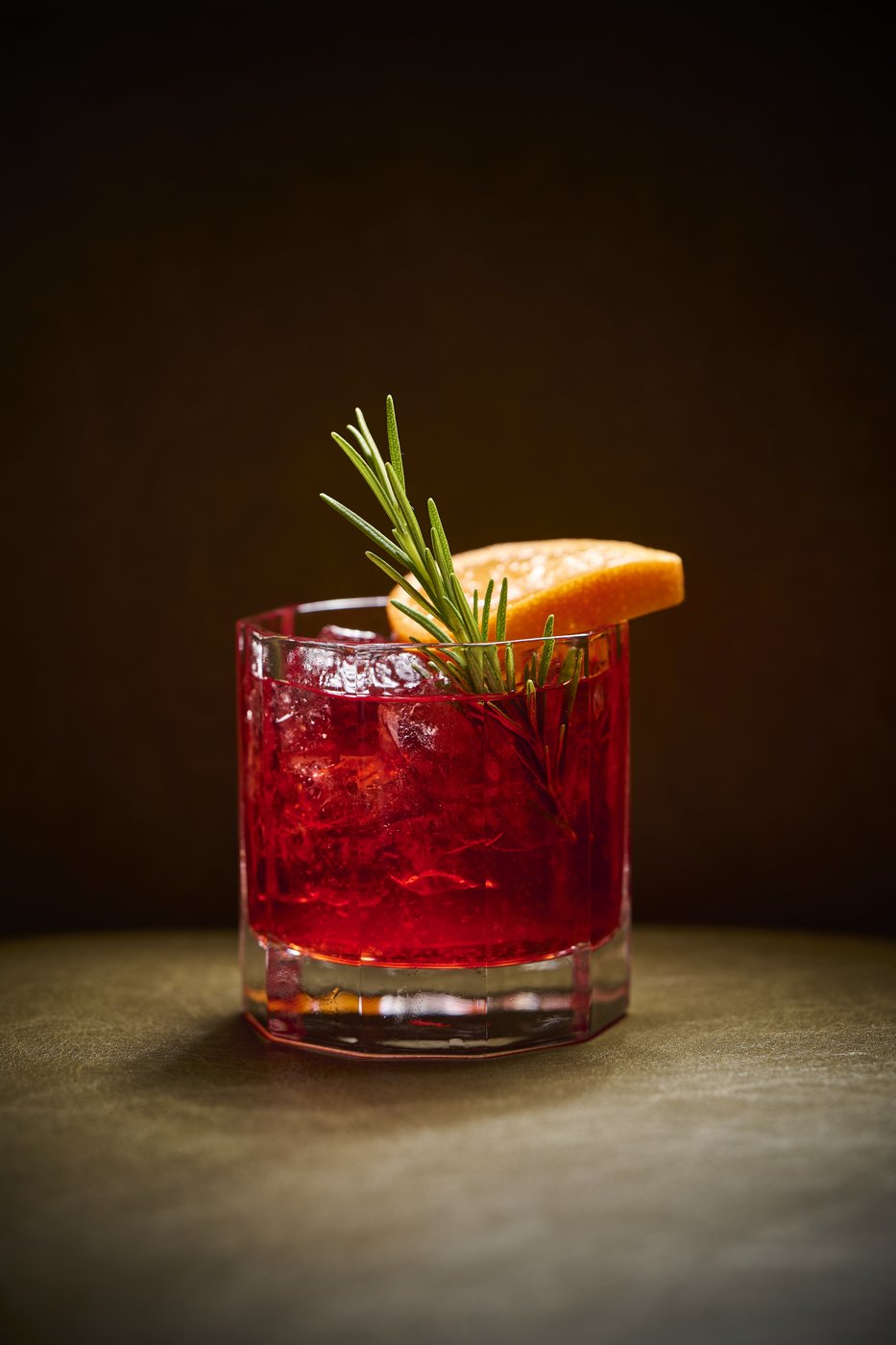
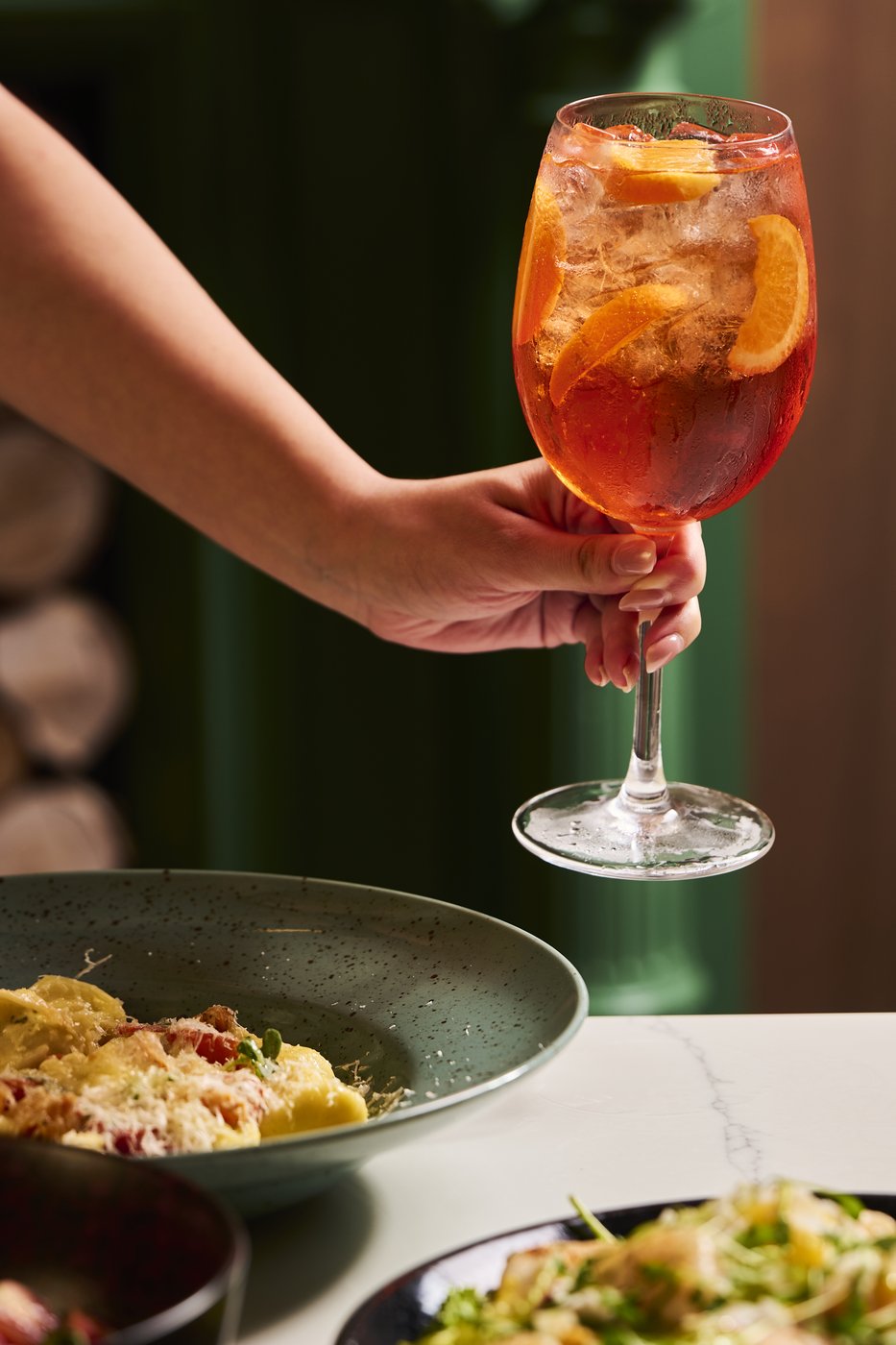
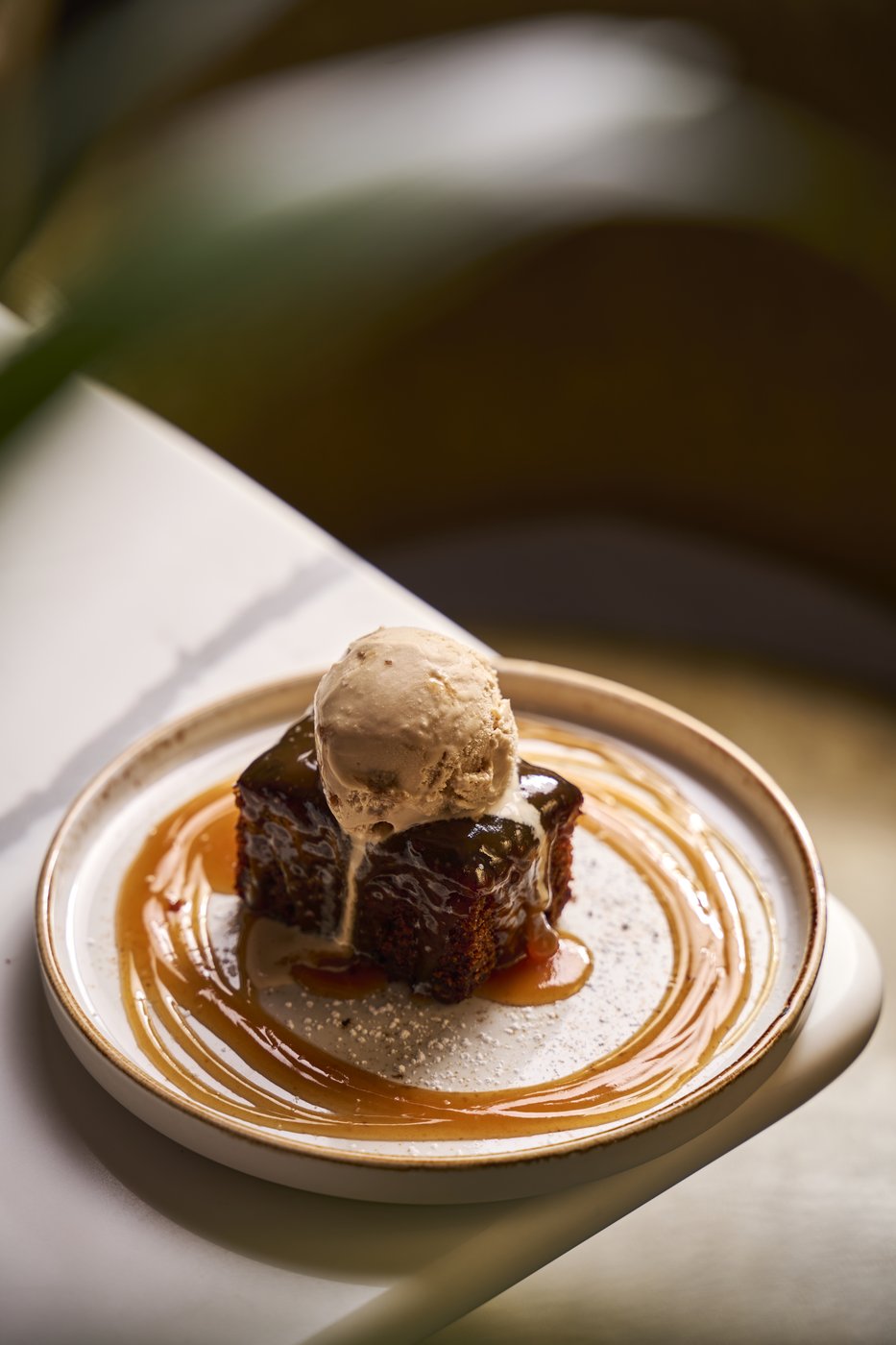
Food and drink shot well, in real light, is the most reliable content a venue has. A signature dish, a cocktail being poured, a dessert arriving at the table: these create the specific craving that drives a booking better than any offer or caption. The key word is real. Over-styled, over-saturated, wide-angle shots read as advertising and quietly undermine trust. Honest, considered images, food that looks like it just left the pass, read as somewhere worth sitting tonight.
The room and the feeling
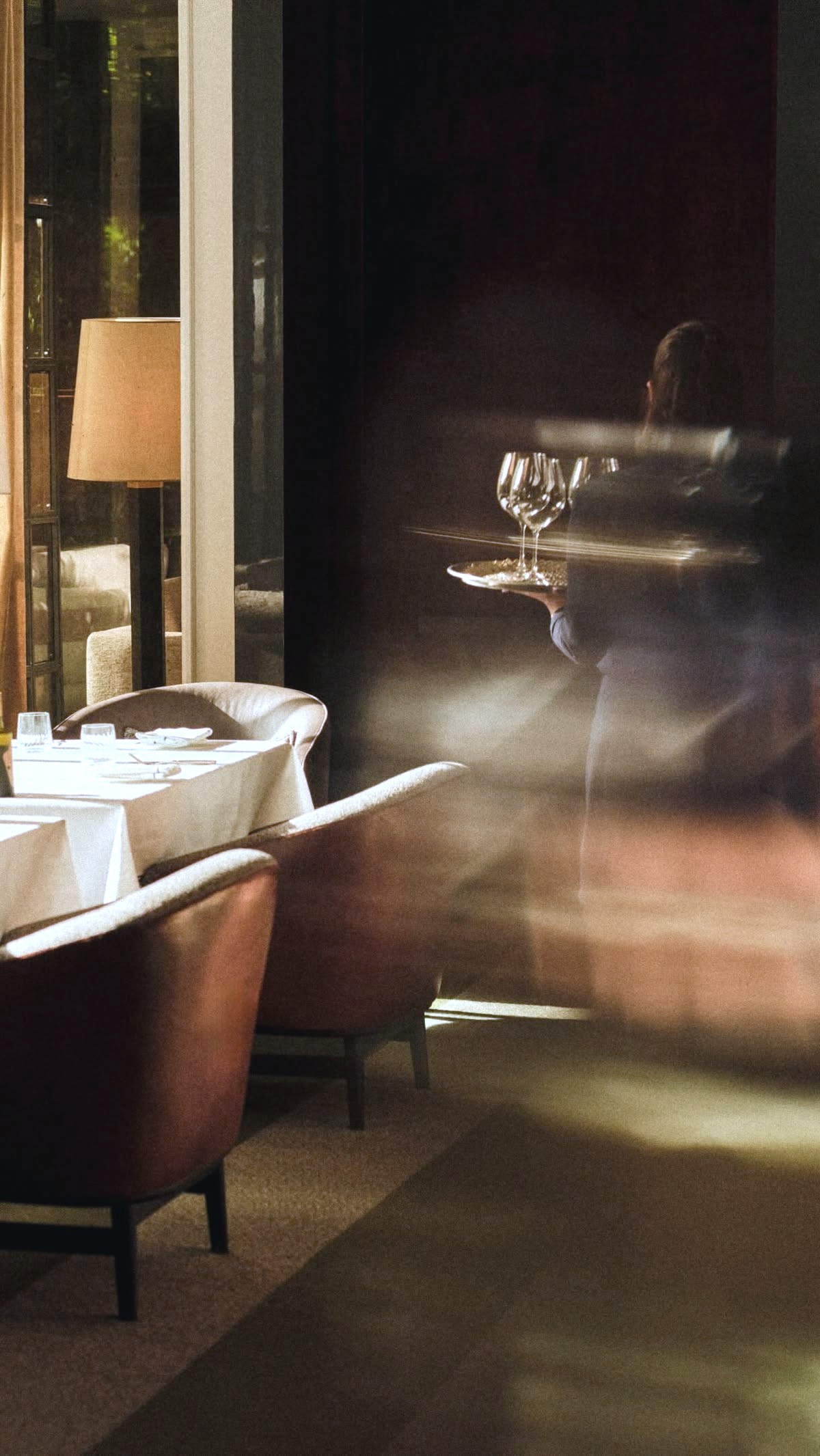
People do not only book the food; they book the evening. Showing the atmosphere, the light at dusk, the hum of a full room, a quiet corner, the service in motion, tells a guest who they will be for a couple of hours. That feeling is a large part of what you are selling, and it is often what separates a venue someone admires from a venue someone books. The best hospitality content makes the viewer want to be in the room.
People, craft and story
Behind every good venue are people worth meeting: the chef, the bartender, the care taken over a dish or a serve. Content that shows the craft and the characters builds a connection that food photography alone cannot. It turns a place into somewhere with a story, and people are far more loyal to a story than to a menu.
Local and timely
Most of your bookings come from nearby, and much of hospitality is seasonal and occasion-led. Content that reflects your actual area, and that moves with the calendar, a new seasonal menu, a bank holiday, the first warm evening on the terrace, helps the right local people discover you at the moment they are deciding where to go. Local relevance beats reach almost every time: a thousand strangers in another city are worth less than fifty locals deciding on Friday night.
Turning content into bookings
This is where most venues lose the booking, having done the hard part of creating the appetite. The path from a post to a reservation has to be effortless. That means an obvious booking link in the bio and wherever the platform allows it, clear opening hours, and the occasional confident, unapologetic prompt to book. Content earns the craving; the path converts it. If a hungry, interested person has to hunt for how to book, a meaningful share of them simply will not bother.
The same discipline applies across every platform you use. Each should lead, in as few steps as possible, to a place where a table can be booked. We cover this principle more broadly in our guide to social media that actually works for small brands, and it matters doubly in hospitality, where the window between craving and booking can be minutes.
Consistency and a sustainable rhythm
A viral video is a pleasant accident, not a strategy. What keeps a venue busy is showing up consistently, in a recognisable style, so you stay front of mind for the local diner deciding where to go this weekend. Three considered posts a week, every week, will always outperform a daily burst that fizzles out by the second month. The practical answer is a sustainable rhythm supported by batching: capturing a set of strong content in one session, then releasing it steadily, so the feed stays alive without consuming the team every day.
Short video and discovery
Short video has become one of the most effective ways for a venue to be discovered by new local diners, because the platforms actively push it to people who do not yet follow you. For a restaurant or bar, this plays to your strengths: a dish being finished, a cocktail built, the room filling as the light drops. It need not be slick or complicated. It needs to be real, appetising and consistent, and it should still lead, like everything else, to an easy way to book.
Working with creators and the rules
Local creators and genuine guest content can extend your reach quickly, and a trusted recommendation from someone local carries real weight. Whatever you arrange, keep it honest. Paid partnerships and gifted visits must be clearly labelled under the Advertising Standards Authority rules, which require that any content a brand has paid for or incentivised is obviously identifiable as advertising. Transparency protects both you and the creator, and in practice it tends to build more trust with an audience, not less.
The mistakes restaurants and bars make
The usual patterns that quietly cost bookings:
- Posting only discounts and offers. It trains people to wait for the next deal rather than book at full value.
- Inconsistent presence. Bursts followed by silence break the familiarity that keeps you front of mind.
- No obvious way to book. The single most common and most expensive gap, losing bookings the content has already earned.
- Poorly lit, hurried photos. They undersell good food and make a considered venue look careless.
- Chasing trends with no connection to the venue. It confuses the audience and dilutes what makes you worth visiting.
- Treating every platform the same. Spreading thin across five rather than doing one or two genuinely well.
The metrics worth watching
Look past likes to the numbers close to a booking: saves and shares, which signal real intent and a plan to visit; profile visits and link taps, which signal active interest; and, above all, reservations you can trace back to social. A post that reaches fewer people but sends a handful of the right ones to your booking page has done its job far better than one that was simply liked and scrolled past.
Strong imagery lifts every one of these numbers, which is why we treat social and photography as one piece of work rather than two. A single considered shoot can feed months of content that actually converts, as our O.W. at The Grand photoshoot shows.
A sustainable approach
The social media that works for restaurants and bars is almost always calmer and more deliberate than the advice suggests. Real, appetite-led content. The feeling of the room. A clear, effortless path to book. A sustainable rhythm you can keep. And attention paid to the numbers that actually move covers, not the ones that only flatter. If your feed looks the part but the tables are not following, the fix is usually strategy, not effort.
You can explore our social and content service, see some selected work, or tell us about your venue.
Planning a month of content without drowning
The reason most venues fall silent on social is not a lack of ideas; it is the daily pressure of inventing something to post on top of running a kitchen and a floor. The answer is to stop deciding day by day and start planning in content pillars, a small set of recurring themes you rotate through, so the feed is always being fed without anyone staring at a blank screen at nine at night.
For a restaurant or bar, a reliable set of pillars might be: the food and drink itself, the atmosphere and the room, the people and the craft behind the pass, the local and seasonal moments, and the practical, bookings this weekend, a new menu, opening hours over a holiday. Decide roughly how often each pillar appears, plan a month at a glance, and the week-to-week panic disappears. A simple monthly plan also lets you line content up with the moments that actually drive bookings, rather than reacting after they have passed.
One shoot that feeds months
The single most efficient thing a venue can do for its social media is to stop relying on hurried phone photos taken mid-service and invest, periodically, in a considered shoot. A half or full day capturing the signature dishes, the key drinks, the room at its best hour and the details that make the place feel like itself produces a library of strong content that can feed the feed for months. It changes social from a daily scramble into a matter of selecting and scheduling, and it raises the quality of every single post at once.
This is why we treat social and photography as one discipline rather than two. A venue with a deep bank of beautiful, on-brand imagery posts more consistently, looks more premium, and converts better, all from a single well-planned shoot. Our O.W. at The Grand photoshoot is a good example of how one considered session can carry a brand across its whole content programme.
Turning followers into regulars
Social media is rented ground. Your followers belong to the platform, the reach can change overnight, and a strong following is only valuable if it turns into bookings and, better still, into regulars. The venues that get the most from social use it to build an audience they actually own, encouraging people to join a mailing list, sign up for a loyalty scheme, or book directly, so a one-time visitor becomes a repeat guest you can reach without an algorithm in the way.
Think of it as a ladder. Social creates the first craving and the first visit. A good experience and a gentle prompt move that guest onto ground you control, email, a loyalty programme, a direct booking relationship, where you can bring them back again and again. A regular is worth many times a follower, and the whole point of social is to manufacture more of them.
Events, seasons and campaigns that drive bookings
Hospitality runs on occasions, and social is where you build anticipation for them. A new seasonal menu, a bank holiday, a bottomless brunch, a festive period, the first warm evening of the year on the terrace, each is a reason to book, and each deserves a small, deliberate run-up on social rather than a single post on the day. Announce it early enough to let anticipation build, remind at the right moments, and always, always make booking the obvious next step.
Campaigns like these also give the feed a natural rhythm and a sense of momentum, which keeps an audience engaged between the everyday food and atmosphere content. Done well, your social calendar and your bookings calendar start to mirror each other, which is exactly the point.
Paid social, used sparingly and well
Paid social has a real place for a restaurant or bar, but it works best as an amplifier rather than a starting point. The most efficient approach is to put a modest budget behind the organic content that is already resonating, a post that is clearly earning saves and shares, rather than building elaborate adverts from scratch. Promoting proven content to a tightly defined local audience, people within a sensible distance of the venue, puts your best work in front of exactly the diners most likely to book.
Local targeting is the point. A restaurant does not benefit from reaching people who will never realistically visit, so spend should be focused on your catchment, and ideally tied to a specific reason to book: a new menu, a seasonal moment, a quieter night you want to fill. Keep any advertising clearly labelled in line with the rules, measure it against bookings rather than reach, and treat it as a way to accelerate what is already working rather than a substitute for doing the organic groundwork well.
Restaurant and bar social media, answered
How should a restaurant use social media?
Use it to create appetite, help local people discover you, and make booking easy while the craving is fresh. Judge every post against those jobs. Appetite-led food and drink content, the feeling of the room, and a clear booking path do the real work.
What should restaurants and bars post on social media?
Signature dishes and drinks shot well in real light, the atmosphere of the room, the people and craft behind the venue, and content rooted in your local area and the season, all with an obvious way to book. Avoid relying on constant discounts, which simply train people to wait for the next offer.
How do restaurants get more bookings from Instagram?
By pairing appetite-led content with a frictionless path to book: an obvious booking link, clear prompts and consistency so you stay front of mind. The goal is to turn the craving a post creates into a reservation in as few steps as possible, before the moment passes.
Does short video work for restaurants and bars?
Yes, and increasingly so. Short video is one of the best ways to be discovered by new local diners, because platforms push it to people who do not yet follow you. It plays to a venue's strengths, food, drink and atmosphere in motion, and should still lead to an easy way to book.
Do restaurants need to work with influencers?
Not necessarily, but local creators and genuine guest content can extend reach and lend trust quickly. If you do, keep it honest: gifted visits and paid partnerships must be clearly labelled under Advertising Standards Authority rules.
Which platform is best for restaurants and bars?
For most venues, a visual platform such as Instagram, done consistently and well, earns more than spreading thin across several. Choose where your local diners actually are, commit to it, and make sure every post leads somewhere you can be booked.
Social media that fills tables, not just feeds.
If your feed looks good but the bookings are not following, the fix is usually strategy. Explore our social and content service, see some selected work, or tell us about your venue.
Start a project →